Profile
The NPGP started as the National Clinical Practice Guidelines Program (NCPGP), which was established in 2018 to standardize the development of clinical practice guidelines (CPGs) in the Philippines.
In 2019, the passage of the Republic Act No. 11223, also known as the Universal Health Care Act, further strengthened CPG development by mandating the DOH to set standards for clinical care through the development, appraisal, and use of evidence-based CPGs to assist Filipino practitioners in clinical decision-making.
In 2020, the NCPGP was renamed to National Practice Guidelines Program (NPGP) and expanded its scope beyond the utilization of CPGs, in recognition of the role of other evidence-informed guidance documents and policies to define minimum standards of care and guide clinical practice, policy development, and benefit package formulation.
In 2023, the NPGP was further expanded to cover the entire continuum of processes involved in integrating high-quality evidence into guideline development and implementation.
This includes information retrieval, evidence generation, synthesis, quality appraisal, the creation of evidence-based guidelines, the translation of recommendations into policies and standards, as well as their dissemination, implementation, utilization, and monitoring and evaluation.
Operational Principles
- Conflict of interest management ensures decisions are free from influence.
- Transparency builds trust, accountability, and public scrutiny.
- Capacity strengthening develops skills in evidence appraisal and use.
- Partnership networks ensure wide expertise and inclusive implementation.
NPGP Strategy Map for 2025–2028
Vision
By 2028, all clinical care and public health decisions should be evidence-based to positively impact the health status of Filipinos towards the achievement of Universal Health Care.
Mission
The NPGP develops, promotes, and evaluates the use of high-quality, evidence-based guidelines and tools in clinical and public health settings to improve health outcomes.
Core Values
Strategic Objectives
Strategic Objective 1: Develop and disseminate guidelines and tools.
Strategic Objective 2: Capacitate stakeholders on the development and use of guidelines and tools.
Strategic Objective 3: Promote adherence and utilization of guidelines and tools.
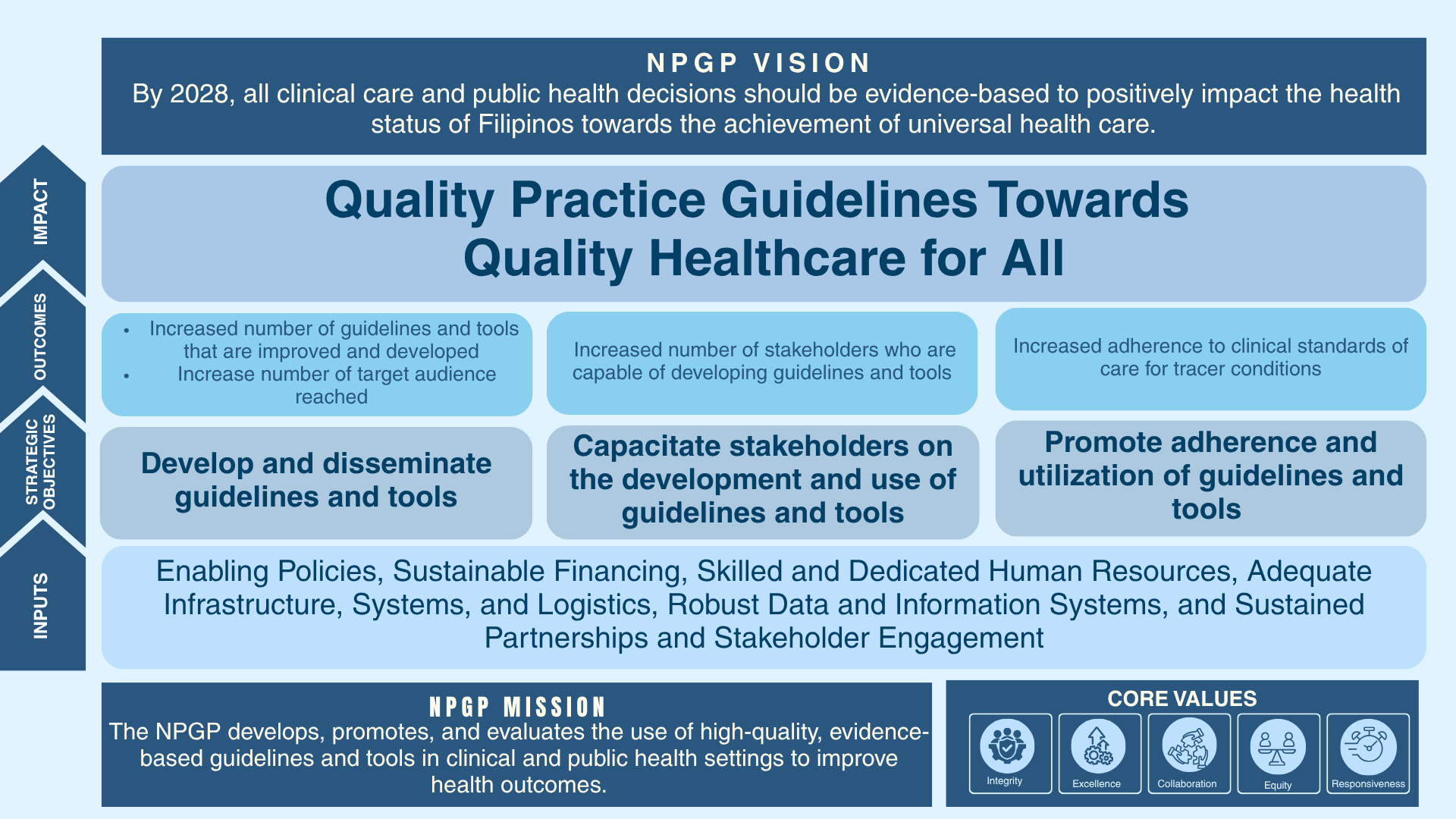
Figure 1: NPGP Strategic Framework and Operational Scope
NPGP Products
DOH-approved Clinical Practice Guidelines
The DOH developed the Omnibus Health Guidelines (AO 2022-0018) to consolidate fragmented policies into a unified framework for healthcare delivery across life stages and the continuum of care in primary care settings. Interim public health and clinical guidance (IPHCG) documents provide timely, evidence-based information during public health emergencies and emerging and re-emerging diseases.
Locally, the DOH issued AO 2023-0002 to establish a national CPG clearinghouse using the AGREE II instrument. CPGs must achieve at least 75% across all domains before endorsement.
Omnibus Health Guidelines
The DOH developed the Omnibus Health Guidelines (AO 2022-0018) to integrate fragmented policies into a unified framework for healthcare delivery across life stages and settings.
Interim Public Health and Clinical Guidance Documents
Interim public health and clinical guidance (IPHCG) documents provide timely, evidence-based information during public health emergencies and emerging diseases.
Guideline Implementation Tools
Clinician Support Tools
Algorithms, checklists, and handbooks for point-of-care.Patient Support Tools
Self-care guides and health education materials.Implementation Support
Manuals for LGUs, facility managers, and administrators.Evaluation Tools
Clinical audit tools and performance measurement indicators.Methods & Processes
The NPGP follows a structured evidence-to-policy workflow including information retrieval, evidence generation, synthesis, quality appraisal, creation of evidence-based guidelines, translation into policies, dissemination, implementation, and monitoring and evaluation.